
Physical therapy
Built for you
Injuries and setbacks can make it difficult to know how much to train or when to progress. We look at your symptoms, training history, and goals to help you decide what to do next.
Our approach
Treatment starts with understanding what you want to get back to and what is getting in the way.
Understand how you move
We look at your symptoms, movement, and training demands to identify what to address first.
Choose treatment that fits
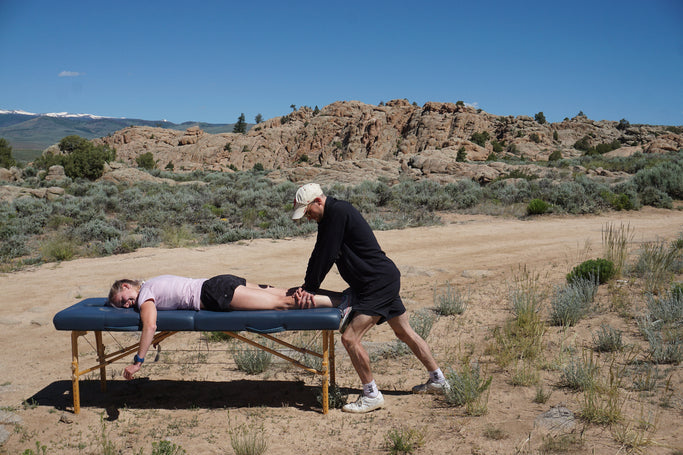
Care may include education, targeted exercises, and hands-on techniques based on what we find in the evaluation.
Build capacity gradually
We use progressive loading and regular reassessment to adapt your plan as you recover.
Common Injuries Treated
From back pain to plantar fasciitis—and everything in between.
-
Back & Hip
- Low-back pain
- Sacroiliac-region pain
- Hip flexor strains
- Gluteal tendinopathy
- Groin/adductor strains
- Proximal hamstring tendinopathy
-
Thigh & Knee
- Hamstring strains
- Quadriceps strains
- Patellofemoral pain (runner's knee)
- Iliotibial band syndrome
- Patellar tendinopathy
-
Shin & Calf
- Medial tibial stress syndrome (shin splints)
- Calf strains
- Tibial bone stress injuries
-
Ankle & Achilles
- Achilles tendinopathy
- Ankle sprains and instability
- Posterior tibial tendon pain
- Peroneal tendinopathy
-
Foot & Toes
- Plantar fasciitis / plantar heel pain
- Metatarsalgia
- Bunion-related pain
- Morton's neuroma
- Sesamoiditis
- Turf toe
This list is not exhaustive. Some conditions may require additional medical assessment.
Your appointments
What to expect
Choose an initial evaluation if you are new to Backroads physical therapy. Book a follow-up if you are returning for ongoing care.
Initial evaluation
We discuss your symptoms, training, and goals, assess how you move, and agree on what to work on first.
Follow-up appointments
We review how you are responding, reassess as needed, and adjust your exercises and training plan.
Between appointments
Use the plan you discussed during your visit and bring any questions or changes in symptoms to your next appointment.
Your recovery and training
We consider the activities you want to return to and the demands they place on you. Your plan can include ways to adjust your training during recovery and gradually rebuild strength and tolerance for your sport.
As your capacity changes, we reassess and use your response to training to guide the next progression.
Preparing for your appointment
What to wear
Wear comfortable clothing that lets you move and gives access to the area you want assessed.
What to bring
Bring the shoes you typically train in and any relevant records you already have.
Your goals
Think about when your symptoms started, what changes them, and what you would like to get back to.
Ready to book?
Choose an initial evaluation or a follow-up and find a time that works for you.